

WESTPLEX INTEGRATIVE HEALTHCARE
Learning Center
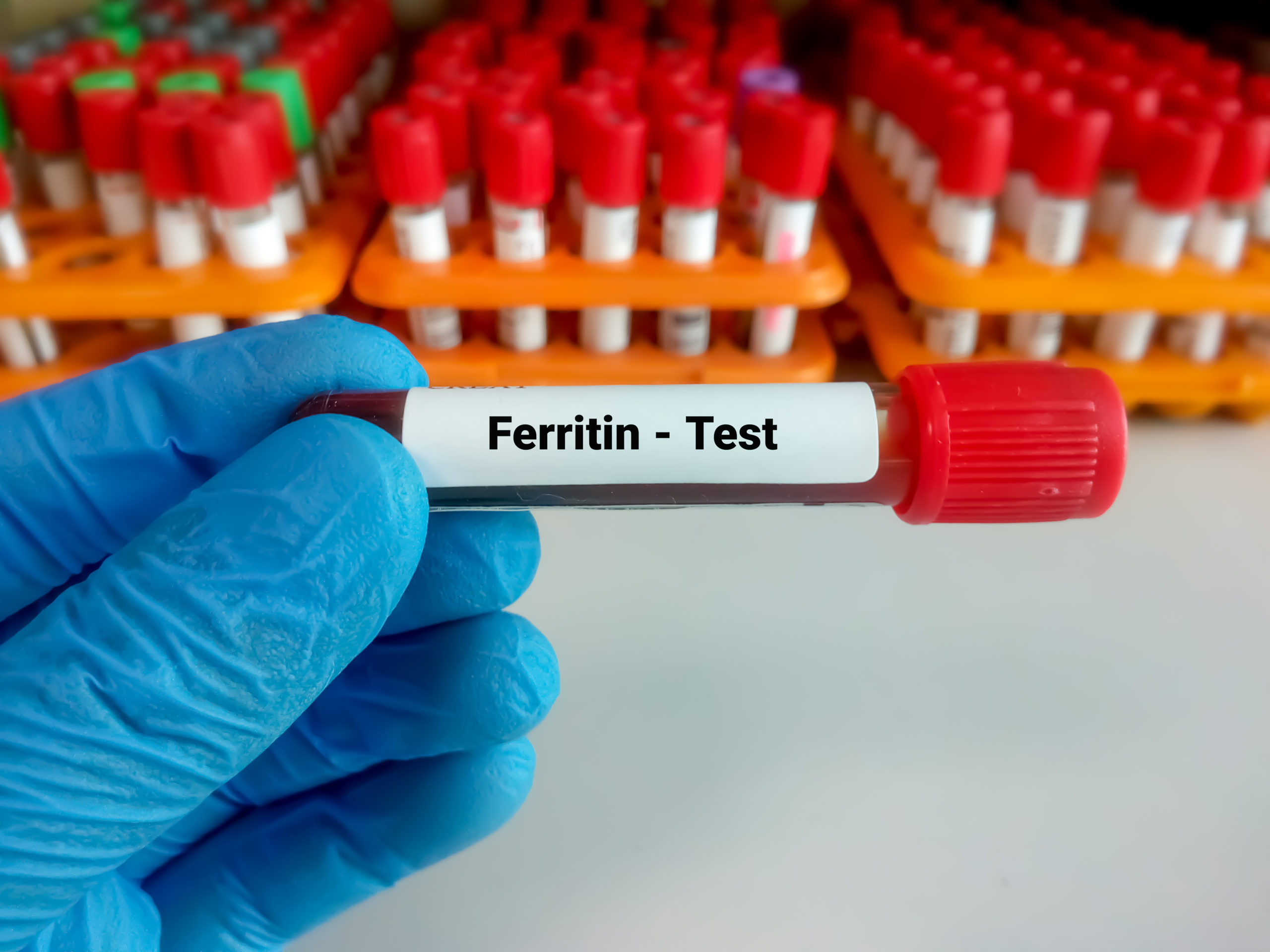
Why Ferritin Matters - Even When You're Not Anemic
Why Ferritin Matters — Even When You're Not Anemic
"My iron is normal, so why are we checking ferritin?" It’s a question we hear often — and for
good reason. Iron deficiency has long been associated with anemia, but you can have
completely normal hemoglobin and hematocrit and still be running low on stored iron. That gap
is exactly what the newest national guidelines were written to close.
What Is Ferritin, Exactly?
Think of ferritin as your iron storage tank. Hemoglobin tells us whether anemia is present.
Ferritin tells us what’s happening in the reserve tank — and that tank can run low well before
hemoglobin drops enough to be called anemia. Iron stored in ferritin gets released as your body
needs it for making new red blood cells, supporting muscle function, and fueling normal cell
metabolism — which is part of why low ferritin can affect how you feel even before a CBC looks
abnormal.
What Changed in 2026
In September 2026, the American Society of Hematology (ASH) released new evidence-based
guidelines designed to catch iron deficiency earlier — including in people who haven’t
developed anemia yet.
The new threshold:
For adolescents 11 and older and adults, a ferritin level at or below 30
ng/mL is now considered consistent with iron deficiency. That matters because a result in that
range may still fall inside a lab’s “normal” reference range — the guidelines push labs toward
evidence-based clinical thresholds instead of just statistical ranges.
ASH also sets different thresholds for certain groups, because ferritin doesn’t mean the same
thing for everyone:
● Heavy menstrual bleeding: ferritin ≤50 ng/mL may indicate deficiency.
● Inflammation: ferritin can run artificially high, so ASH recommends looking for deficiency
when ferritin is under 100 ng/mL or transferrin saturation is under 20%.
Signs Your Iron Stores Might Be Low
Low ferritin doesn’t always cause obvious symptoms, but many patients notice one or more of
the following:
● Persistent fatigue or low stamina, even with adequate sleep
● Shortness of breath with activity that didn’t used to cause it
● Trouble concentrating or “brain fog”
● Unusual paleness
● Brittle nails or increased hair shedding
● Restless legs, especially at night
● Feeling cold more easily than usual
● Headaches or dizziness upon standing
None of these symptoms are specific to low iron on their own — they overlap with thyroid
issues, blood sugar swings, and poor sleep, which is exactly why testing (not guessing) is the
starting point.
Who Should Consider Getting Checked
Low iron stores are more common in certain groups. It may be worth asking about ferritin testing
if you:
● Have heavy, frequent, or prolonged menstrual periods
● Follow a vegetarian or vegan diet
● Donate blood regularly
● Are pregnant or recently postpartum
● Have a GI condition affecting absorption, or a history of GI surgery
● Are an endurance athlete (marathon, triathlon, competitive cycling)
● Have unexplained fatigue that hasn’t improved despite “normal” bloodwork elsewhere
What Testing Looks Like at Westplex
We don’t treat a number in isolation — we build the full picture first:
● A conversation about your symptoms, diet, menstrual history, and any prior lab results
● A CBC to evaluate red blood cells and rule in/out anemia
● Ferritin, and when appropriate, a full iron panel (serum iron, TIBC, iron saturation)
● Additional labs if inflammation, heavy bleeding, or GI symptoms are part of the picture
● A personalized plan — dietary changes, supplementation, or further workup — based on
both your labs and your symptoms
Common Myths About Ferritin
Myth: “If I’m not anemic, my iron is fine.”
Fact: You can have normal hemoglobin and still have depleted iron stores. That’s the entire
reason the guidelines changed — ferritin can catch a deficiency anemia would miss.
Myth: “A ferritin inside the lab’s reference range means there’s nothing to address.”
Fact: Reference ranges are statistical, not diagnostic. A result can sit inside a lab’s printed
range and still meet the evidence-based threshold for iron deficiency.
Myth: “I can just start taking an iron supplement without testing first.”
Fact: Iron supplementation isn’t risk-free, and taking it without a clear deficiency — or without
knowing why you’re deficient — can mask a more important underlying issue.
Frequently Asked Questions
How is low ferritin treated?
Treatment depends on the level, the cause, and your symptoms — options range from dietary
changes to oral iron to, in select cases, IV iron. We tailor the approach rather than defaulting to
one option.
Do I need an IV to fix low iron?
Not necessarily. Many patients respond well to oral iron or dietary changes. IV iron is reserved
for specific situations — poor absorption, more significant deficiency, or when oral iron isn’t
tolerated.
How long until I feel better?
It varies by person and by cause, but many patients notice improvement in energy within
several weeks of starting appropriate treatment — with follow-up labs to confirm ferritin is
actually moving in the right direction.
Will my insurance cover ferritin testing?
Coverage varies by plan. Our team can help you understand what to expect before your visit.
The Westplex Takeaway
A ferritin result without an “L” next to it doesn’t automatically rule out iron deficiency, and normal
hemoglobin doesn’t guarantee your iron stores are adequate. We read the number alongside
your symptoms, history, and other labs — and we ask why, not just what.
Ready to find out what your labs are really telling you? Become a Westplex Patient →
This information is provided for educational purposes and is not intended to diagnose or treat a medical condition. Thresholds discussed are based on ASH’s 2026 Clinical Practice Guidelines on the Diagnosis of Iron Deficiency. Testing and treatment decisions should be individualized based on your medical history and clinical presentation.

Read What Our Happy Patients Have To Say!

Follow Us


© 2026 Westplex Integrative Healthcare | Privacy Policy | Designed by 99 Creatives